
About the school
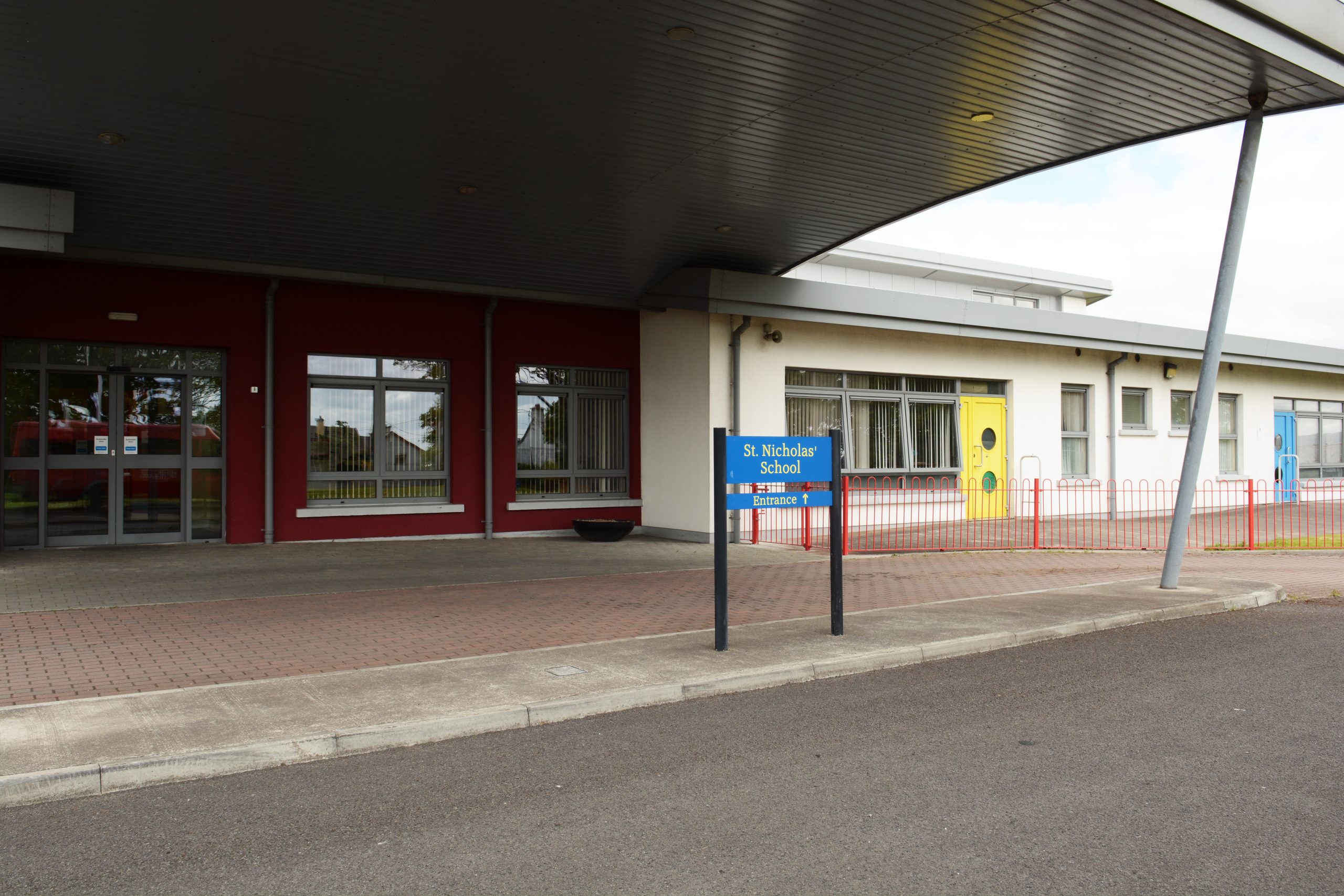
The School
St Nicholas’ School is in the diocese of Kilmoremoy, with Western Care Association as our Patron Body.
Our school provides education to pupils from 4 to 18 years of age, with a moderate, severe or profound learning disability. We also cater for pupils with autism.
As a Department of Education school, our teachers work most diligently to plan a differentiated educational programme for each of our pupils according to their individual needs. Our team of special needs assistants provide a high level of support to our pupils. There is a dedicated team of professionals from the HSE who support our pupils, these include, occupational therapists, physiotherapists and speech and language therapists.
There is a dedicated team of professionals from the HSE who support our pupils, these include, occupational therapists, physiotherapists and speech and language therapists. Some of our pupils attend respite services.
I was appointed principal of St. Nicholas’ School in October 2016. Since I began here in St Nicholas’ I have been amazed and heartened by the high level of support for our pupils. I observe staff who take great pride in their work, a parent body who are most appreciative of the school’s work to support their children. As principal I am extremely proud of our pupils who bring positivity and enthusiasm to our school each day.
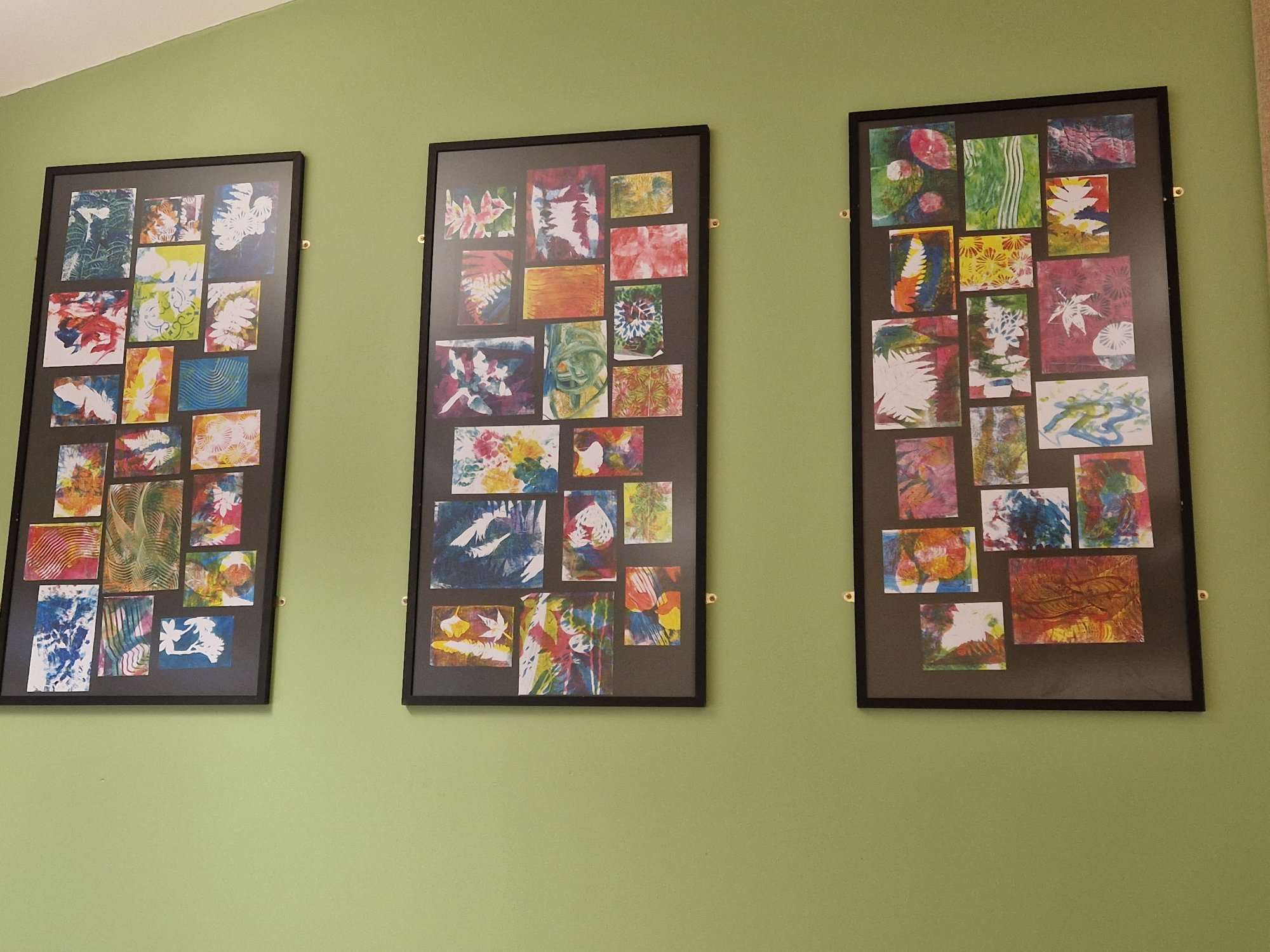
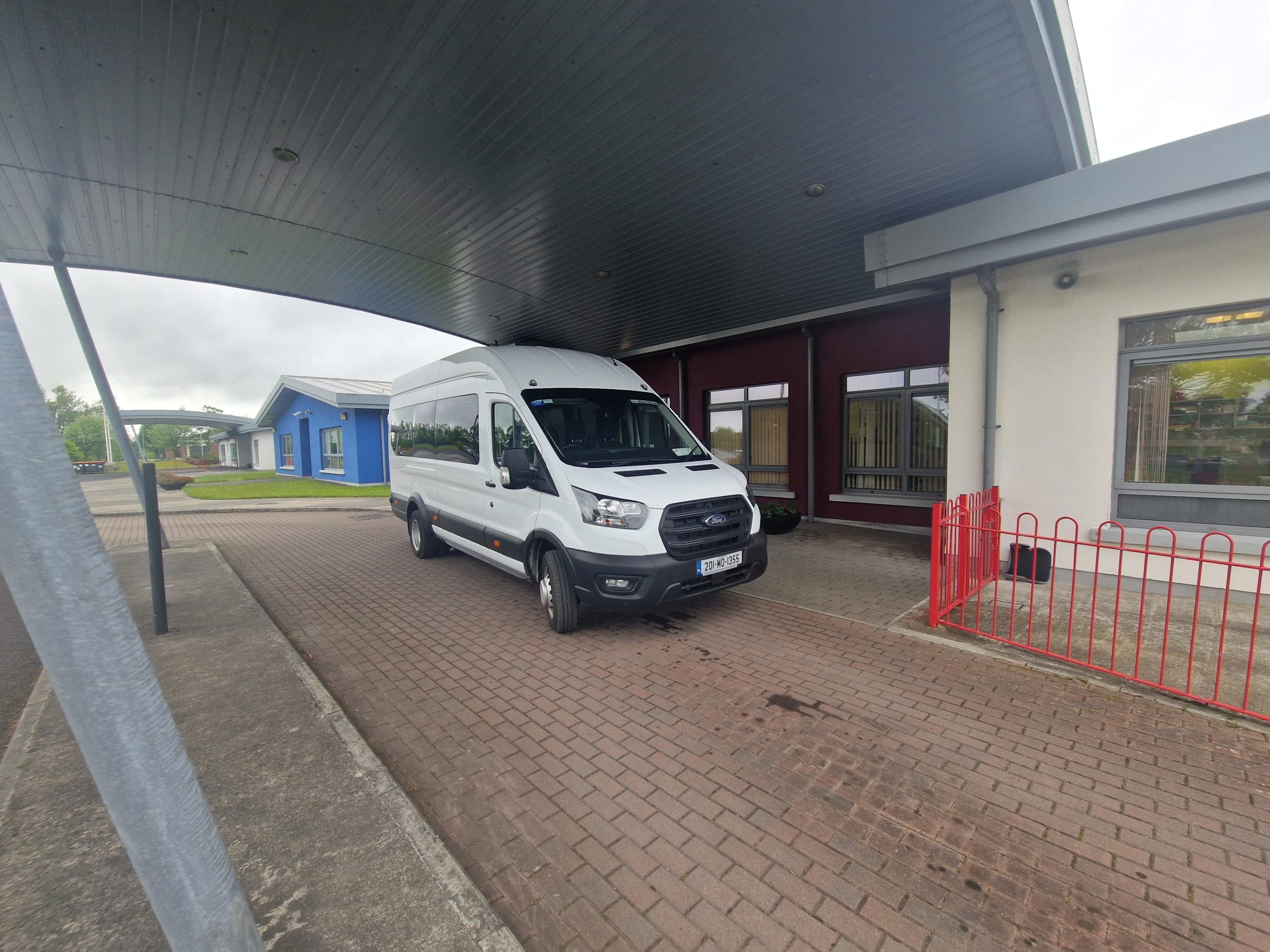
We are most fortunate to have a school bus, a result of a mammoth fundraising project undertaken by the previous Board of Management. As a school community we extend again, our deep appreciation to our local community, the generous contributions from all ensured our dream became a reality.
If you would like to visit our school, please contact Sandra, school secretary, in the school office.
Clare Vesey-Brennan
Principal
Mission Statement
St. Nicholas’ School undertakes to provide for the intellectual, physical, social, spiritual and personal development of each pupil in our care, through the provision of a varied programme of educational and leisure activities, in a structured learning environment.
Our emphasis is on understanding and providing for the needs of each of our pupils, by implementing an individual educational plan, which reflects the interests, strengths and abilities of each pupil, while addressing their educational requirements.
Our aim is to provide a secure base for learning to take place, in an atmosphere of acceptance, understanding and love, where each pupil’s self-esteem is nurtured, and every effort is made to recognise and develop his or her full potential.
We strive to make learning a positive, enjoyable experience, and to foster independence and choice, mutual respect, and a sense of achievement in our pupils.
We prepare our pupils for their future beyond school and provide opportunities for them to be part of the community in which we live.
We work in partnership with the parents and families of the pupils in our care, and co-operate to the full with all agencies and professionals who contribute to their welfare.
Our school community upholds the Communication Bill of Rights as defined by the National Joint Committee for the Communication Needs of Persons with Severe Disabilities (NJC)
Communication Bill of Rights
National Joint Committee for the Communication Needs of Persons with Severe Disabilities (NJC)
All people with a disability of any extent or severity have a basic right to affect, through communication, the conditions of their existence. Beyond this general right, a number of specific communication rights should be ensured in all daily interactions and interventions involving persons who have severe disabilities. To participate fully in communication interactions, each person has these fundamental communication rights.
- The right to interact socially, maintain social closeness, and build relationships
- The right to request desired objects, actions, events, and people
- The right to refuse or reject undesired objects, actions, events, or choices
- The right to express personal preferences and feelings
- The right to make choices from meaningful alternatives
- The right to make comments and share opinions
- The right to ask for and give information, including information about changes in routine and environment
- The right to be informed about people and events in one’s life
- The right to access interventions and supports that improve communication
- The right to have communication acts acknowledged and responded to even when the desired outcome cannot be realized
- The right to have access to functioning AAC (augmentative and alternative communication) and other AT (assistive technology) services and devices at all times
- The right to access environmental contexts, interactions, and opportunities that promote participation as full communication partners with other people, including peers
- The right to be treated with dignity and addressed with respect and courtesy
- The right to be addressed directly and not be spoken for or talked about in the third person while present
- The right to have clear, meaningful, and culturally and linguistically appropriate communications